Scarcity drives conflict
Demand for food, water, energy and materials is rising faster than secure supply. Where those gaps widen, instability follows.
Cascadia International Holding Co.
Cascadia Holdings allocates long-term capital to systems that stable societies cannot do without: critical minerals, water, food, energy and defense. We invest through a family of sector-dedicated funds and provide strategic advisory services via a global network of subject matter experts.
For over three decades capital markets and policymakers have addressed our planet’s macroeconomic and societal challenges in the language of sustainability. While we are guided by the principles embedded in the UN Sustainable Development Goals, we also see an ever-growing necessity for robust returns on investment into sustainability-driven initiatives.
We also believe strongly that adaptability and resilience must be imbued into our planning, development and operation of critical infrastructure assets. A society that cannot feed its people, secure clean water, keep the lights on or source the materials its industries depend on, even if only through a short-term crisis event, is not sustainable.
Natural disasters and kinetic conflict are no longer just line items in actuarial risk assessment, they are indeed commonplace and becoming ever more so with each passing year: contested supply chains, weaponized commodities, strained water basins, grid failures, mass migration, drought, floods, wildfires and critical infrastructure under physical and cyber attack. These are not environmental talking points. They are the defining economic and security questions of our time, and they create investment opportunity that will last for decades.
Throughout human history it has been proven again and again that if you can’t produce enough food for your own people, or provide clean water, energy and for the common defense, your community is doomed to failure. We enable innovative leaders to deliver prosperity, trust and peace.
Demand for food, water, energy and materials is rising faster than secure supply. Where those gaps widen, instability follows.
A desalination plant, a power station or a grain terminal is only as valuable as its ability to keep operating under stress.
Reshoring, friend-shoring and strategic stockpiling are redrawing global supply chains and creating durable opportunity.
Projected global population by 2050.
UN DESA, World Population Prospects 2022Projected global shortfall of freshwater supply against demand by 2030.
UN World Water Development Report 2015More food needed by 2050, compared with 2012 levels.
FAO, The Future of Food and Agriculture 2017More electricity needed by 2050, from roughly 30,000 TWh generated today.
World Nuclear AssociationGlobal military expenditure in 2024, the highest level ever recorded.
SIPRI, 2025Cascadia Holdings sets strategy, governance and the capital-allocation framework. Teams of specialists with deep operating and investment experience run each fund and are actively engaged in the management of each portfolio company.
Securing the inputs of modern industry.
Exploration, extraction, processing and refining of the minerals that energy systems, electronics and the defense industrial base depend on.
Clean water as strategic infrastructure.
Desalination, treatment, reuse and distribution, and the protection of the plants and networks that deliver water to cities, farms and industry.
Feeding billions, reliably.
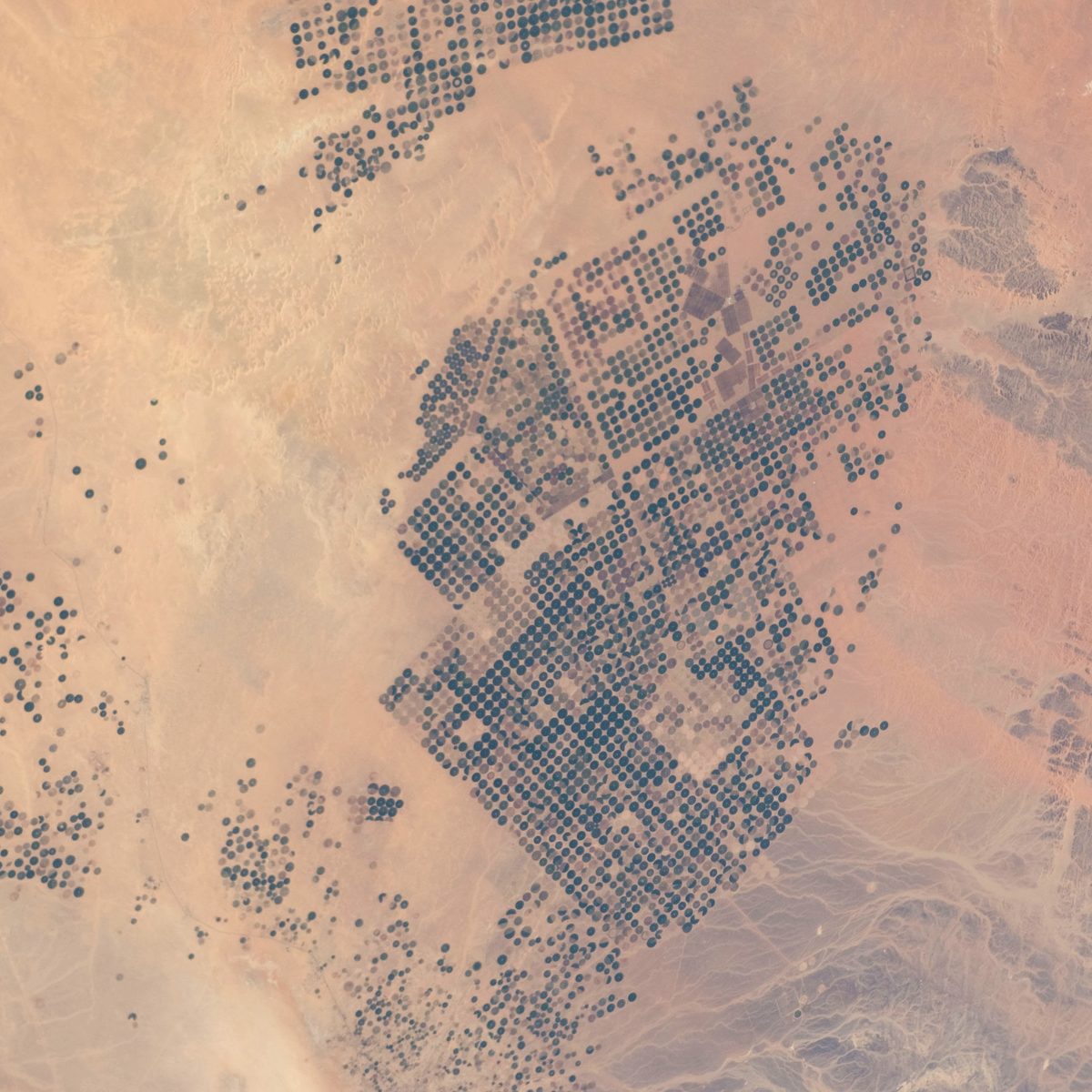
Agricultural output, storage, logistics and distribution: technologies and assets that raise yields and harden food supply chains against disruption.
Power that stays on.
Generation, transmission, storage and grid hardening, so that thermal, nuclear and renewable assets keep operating under physical and cyber stress.
Protecting what matters.
Drones and counter-drone systems, munitions and the industrial base behind them, and cybersecurity for the infrastructure every other sector relies on.
Water production and treatment plants, food production & distribution, power grids, ports, pipelines, mining & processing, data and financial transaction networks. We develop these assets with innovative, efficient technologies and then work to add resilience by design to withstand physical, cyber and geopolitical stress.
Critical infrastructure is simply that: critical, necessary, and therefore vulnerable. Being resilient is what makes these assets much more valuable.
We start with structural forces such as demographics, geopolitics and resource scarcity, then find the assets and companies positioned to benefit. We do not bet on any single technology.
Infrastructure gets built and supply chains get redrawn over decades. Our capital and our conviction are committed on that timescale.
Sector-dedicated teams go deep. The holding company tracks how food, water, energy, minerals and defense affect one another.
We favor assets that are hardened physically, digitally and geopolitically. We believe that is where long-term value lies.
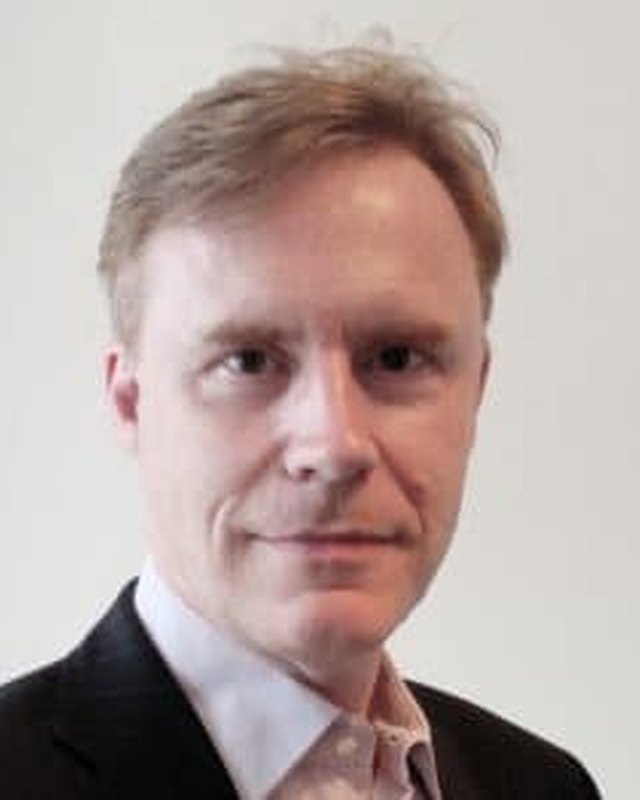
Managing Partner, Cascadia International Holding Co.
Simon Littlewood has spent more than 40 years investing where infrastructure, capital and geopolitics meet. He is a capital markets architect and a sustainability-focused investor. Since the 1980s he has invested in international infrastructure projects and companies, and he has designed financial structures in equity, debt, infrastructure and digital assets on five continents.
The forces behind Cascadia’s thesis have run through his whole career. He has worked in developing economies and through changing geopolitical conditions, so he has seen how instability, scarcity and new technology change what assets are worth and how supply chains are built. That experience helps him spot early where fragility creates opportunity, and which assets will keep their value under pressure.
Simon has advised family offices, sovereign wealth funds and public companies listed in the UK, Europe, Asia and the United States. Governments, foundations, NGOs and investment funds ask him for advice. Those relationships help bring together the sovereign and institutional partners that large critical infrastructure projects usually need.
At Cascadia, Simon applies this experience over a 10- to 20-year horizon in which conflict and innovation will reshape economies and countries. He focuses on finding where needs for food, water, energy, critical minerals and defense are being reset, and on building the financial structures that turn those changes into durable investments.
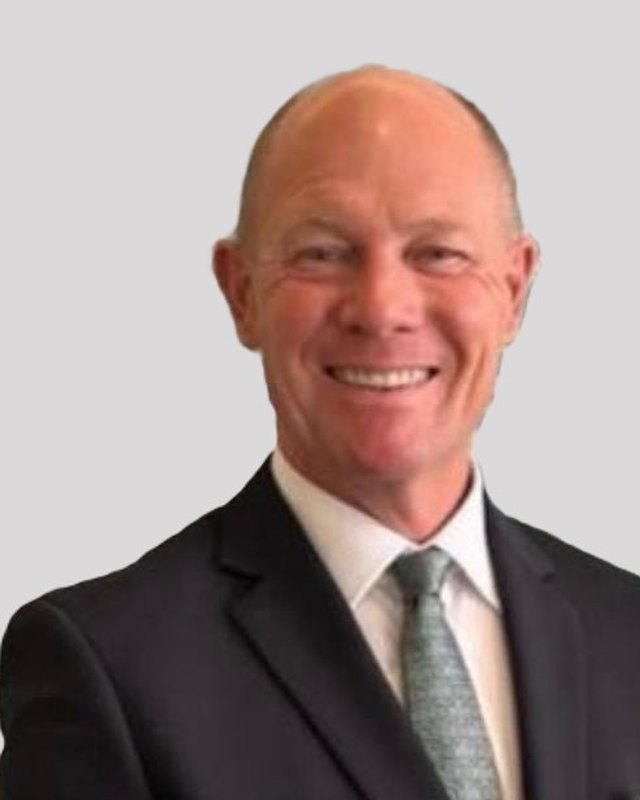
Managing Partner, Cascadia International Holding Co.
Mr. Peterson has spent more than 30 years investing in and commercializing solutions for sustainability worldwide. He has a penchant for taking a nascent technology from concept to commercialization, particularly in the fields of water tech, power generation, energy storage and defense and has experienced first-hand how societal and economic resilience relies on secure food, water and energy assets.
Paul has advised government ministries, institutional investors and entrepreneurs worldwide, and has invested in scaling innovations across the United States, Central America, Asia Pacific, Europe and the Middle East. Based in Dubai and Riyadh, he localizes Western technologies to support regional food and water security across the Middle East & Africa.
At Cascadia, Paul brings an operator’s and integrator’s perspective to the portfolio, with particular emphasis on defense and cybersecurity. He focuses on technologies that can be built into hardened, mission-ready systems and brought to market at scale. His military experience, systems thinking and commercialization discipline help Cascadia find and build assets that keep critical infrastructure secure as conflict and innovation reshape the world over the coming decades.
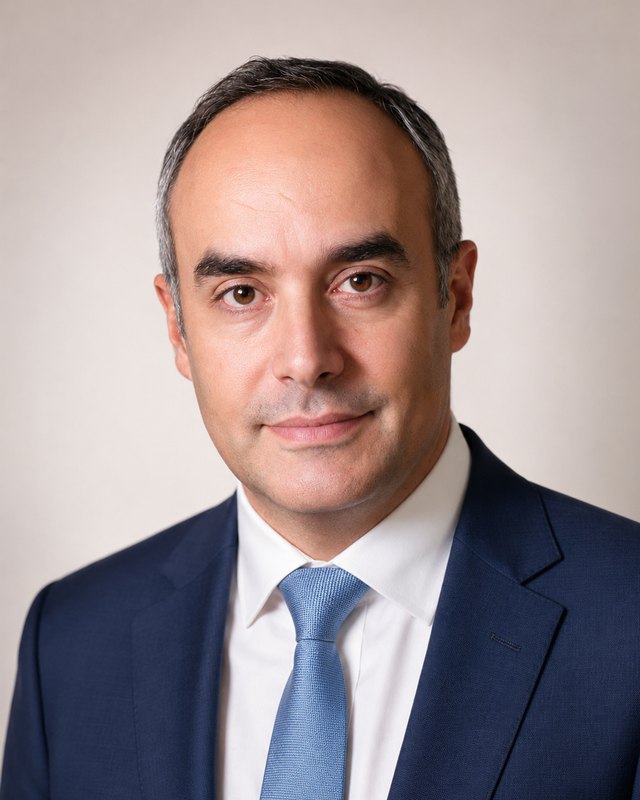
Karim Sehnaoui is an investor and operator with more than 25 years of experience in investment management, private equity, development finance and restructuring across Europe, the Middle East and North America. A civil and environmental engineer by training, he combines an investor’s discipline on capital and returns with hands-on experience running regulated platforms and operating businesses.
As Chief Investment Officer of ADS Securities in Abu Dhabi from 2018 to 2025, he managed a USD 1.5 billion multi-asset portfolio and delivered exits including the USD 600 million-plus sale of Fyber N.V. to Digital Turbine. Earlier, he oversaw more than USD 1.2 billion in assets as Acting CIO of Abu Dhabi Investment House, and structured transactions within a USD 5.5 billion portfolio at Ithmaar Bank that included infrastructure and energy funds across MENA, Africa, Europe and Asia.
Karim has worked directly where conflict and infrastructure meet. At the World Bank Group, he structured and managed more than USD 240 million in infrastructure loans for Iraq’s reconstruction. He has also assessed investment projects worldwide for IFC, run public-private partnership initiatives with more than 100 companies at the World Economic Forum, and led six turnarounds across listed, private and family-owned companies. He advises ventures in renewable energy, climate data and agri-food.
Today he is Managing Director of The Reference Group in Geneva, advising families, investors and boards along the Europe–GCC corridor. As an advisor to Cascadia, Karim brings reconstruction-finance experience, institutional portfolio management and operational turnaround skill to identifying, structuring and protecting investments in critical infrastructure as economies are reshaped by conflict and innovation over the next 10 to 20 years.
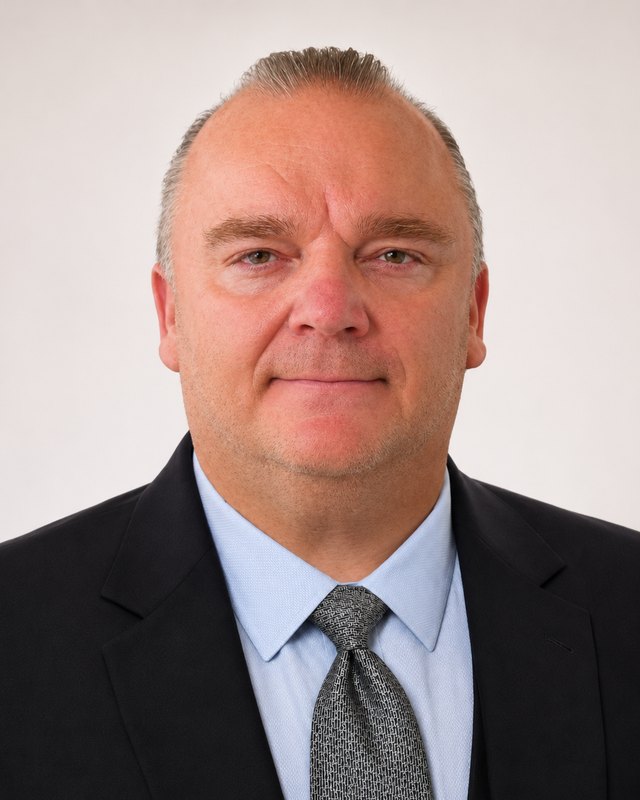
Uwe Kuhnle is an international entrepreneur and investor with more than 30 years of experience founding, acquiring, building and restructuring companies across Europe, the Middle East, Asia, Africa and the Americas. He has established or acquired more than 50 companies, with particular depth in renewable energy, energy storage, environmental technology and infrastructure.
He has a long record of putting new energy technology to work ahead of the market. In 2012, one of his group companies built Europe’s first industrial-scale battery energy storage plant connected to the European grid. He has developed and repowered solar assets in Germany and Italy, and built a large solar plant that powers his group’s industrial headquarters in Murchin, Germany, while feeding power into the grid. His businesses have also commercialized hydrothermal carbonization technology for sewage-sludge treatment and phosphorus recovery, work recognized with European awards for recycling and sustainability.
Since 2023, Uwe has directed his investment activities from the United Arab Emirates, focusing increasingly on government advisory and national infrastructure. In São Tomé and Príncipe, he works with government institutions and international partners on investment in electricity generation, renewable energy, water systems and related infrastructure, and helped design and implement the country’s Citizenship by Investment programme to attract capital for economic development.
Uwe brings the perspective of an owner-operator who combines long-term asset ownership with the commercialization of new technology. His experience building energy and water infrastructure in both mature and emerging economies helps Cascadia identify and optimize opportunities to create lasting value.
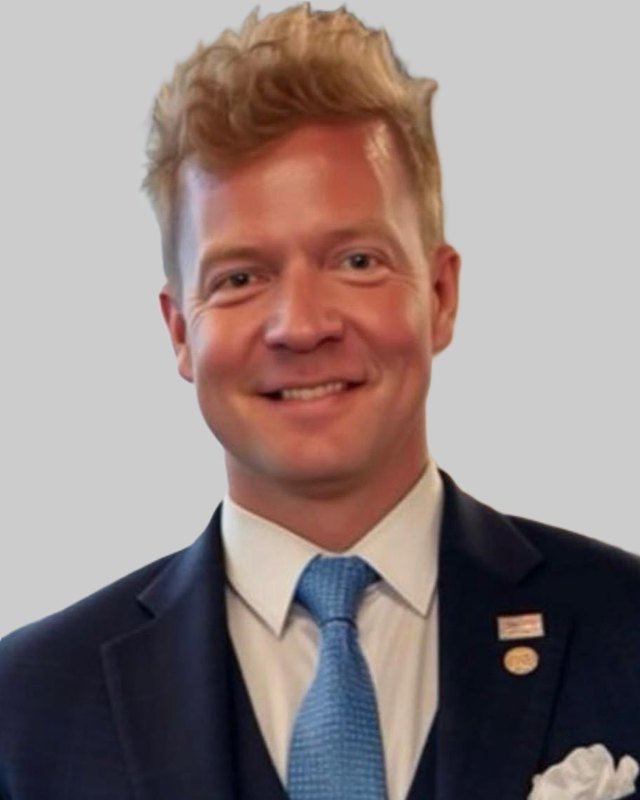
William Landers is an international entrepreneur, agricultural innovator and business development strategist whose career spans agriculture, food technology and international business in nearly 60 countries. His work centers on a question at the heart of food security: how to build agricultural businesses that stay productive, profitable and resilient over the long term.
His hands-on experience covers agricultural production, specialty coffee, coffee-fruit innovation, food processing and vertically integrated agricultural enterprises. Working in Hawaii and across the continental United States, he has championed responsible farming practices, resource efficiency and farmer profitability, and has led the development of innovative agricultural products.
William’s particular strength is connecting strategic investment with opportunities that strengthen farming communities, advance regenerative agriculture and improve food systems. He builds partnerships in which farmers, investors, businesses and communities all benefit, an approach that makes supply chains more durable as well as more equitable. He has also maintained a longstanding relationship with Convoy of Hope, linking business leadership with humanitarian impact.
William brings practical knowledge of agriculture and food systems to its AgTech focus. As population growth, water stress and conflict put pressure on global food supplies, his experience helps Cascadia identify where investment in production, processing and supply chains can build long-term economic resilience to communities and continents, and strong returns to the firm.
We welcome conversations with institutional investors, family offices, co-investors, operators and founders working on the systems that matter, anywhere on Earth.